What is Drawn Textured Yarn?
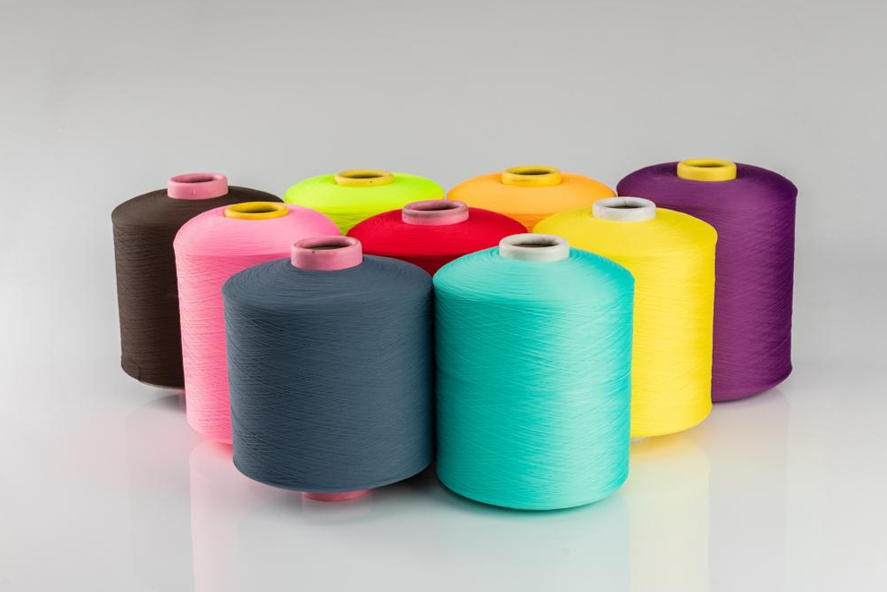
Drawn Textured Yarn (DTY) is a type of filament yarn that is processed through drawing and texturising to enhance its physical properties. DTY is typically made from polyester or nylon. It is produced by stretching partially oriented yarn (POY) and texturising it simultaneously using heat and a false-twist process.
This process introduces crimp, loops, and coils into the filament structure, transforming smooth filaments into yarns with improved bulk, elasticity, and softness. As a result, DTY closely mimics the feel and performance of natural fibres while maintaining the durability of synthetic materials.
DTY is widely used in textile manufacturing due to its versatility, cost-efficiency, and adaptability across multiple fabric types.
Key Properties of Drawn Textured Yarn
Elasticity and Stretch |
DTY exhibits excellent elasticity due to its crimped structure. This allows fabrics to stretch and recover, making it highly suitable for garments that require flexibility and comfort. |
Bulk and Volume |
The texturising process increases yarn bulk, giving fabrics a fuller and more voluminous appearance without significantly increasing weight. |
Enhanced Fabric Appearance |
DTY improves fabric aesthetics by providing a soft hand feel, better drape, and visual richness, which enhances the overall quality of the final textile. |
Mechanical Strength |
Despite its textured structure, DTY retains strong tensile properties. This ensures durability in both apparel and industrial applications. |
Moisture and Chemical Resistance |
Polyester-based DTY offers resistance to moisture, chemicals, and environmental conditions, making it suitable for both indoor and outdoor applications. |
Types of Textured Yarns
1. Polyester Draw Textured Yarn (DTY)
Polyester DTY is the most widely used variant due to its balance of strength, elasticity, and cost-effectiveness. It is commonly used in apparel, home textiles, and industrial fabrics.
2. Nylon Textured Yarn
Nylon textured yarn provides higher elasticity and abrasion resistance, making it ideal for performance wear and technical textiles.
3. High-Bulk Textured Yarn
Designed for applications requiring enhanced insulation and softness, high-bulk yarns are commonly used in winter wear and carpets.
4. Recycled Polyester Textured Yarn
With increasing focus on sustainability, recycled polyester textured yarn is produced using post-consumer or post-industrial polyester waste, offering almost similar performance with reduced environmental impact.
Applications in Textile and Industrial Manufacturing
Apparel and Activewear |
Knitted and Woven Fabrics |
|
DTY is extensively used in sportswear, innerwear, and casual garments due to its stretch, comfort, and moisture-wicking properties. |
It is suitable for both knitting and weaving processes, enabling manufacturers to create a wide range of fabric textures and finishes. |
Home Textiles |
Technical and Industrial Fabrics |
| DTY is used in curtains, upholstery, bed linens, and carpets, where durability and aesthetic appeal are important. |
Its strength and resistance properties make DTY suitable for automotive textiles, filtration fabrics, and industrial applications. |
Quality and Selection Considerations for Buyers
When selecting DTY, several technical parameters must be evaluated:
1. Denier and Filament Count
Lower denier yarns produce finer fabrics, while higher denier yarns offer strength and durability.
2. Texture and Bulk Level
Higher bulk yarns provide better insulation and softness but may affect processing speed.
3. Polymer Type
The choice between polyester, nylon, or recycled materials depends on the end-use application.
4. Processing Compatibility
Ensuring compatibility with machinery and production methods is critical for operational efficiency.
Impact on Fabric Performance and Production Efficiency
DTY significantly enhances both fabric performance and manufacturing efficiency. Its elasticity reduces fabric breakage during processing, while its uniform structure ensures consistent quality across batches.
From a production standpoint, DTY enables:
- Faster knitting and weaving processes
- Reduced material waste
- Improved fabric consistency
This makes it a preferred choice for large-scale textile manufacturing.
Common Issues and Limitations
Despite its advantages, DTY has certain limitations:
-
Pilling:
Pilling in polyester DTY is primarily driven by the high tenacity of polyester fibres, which prevents broken fibrils from shedding off the fabric surface.
-
Heat Sensitivity:
Excessive heat during processing can affect yarn structure.
-
Moisture Absorption:
Lower than natural fibres, polyester DTY is not inherently breathable, and comfort in next-to-skin applications may be limited without additional moisture management finishes.
-
Processing Complexity:
Requires controlled conditions during texturising.
Manufacturers must carefully manage these factors to maintain product quality.
Conclusion
Drawn Textured Yarn plays a crucial role in modern textile manufacturing by combining performance, versatility, and cost-efficiency. Its unique structure enhances fabric properties such as elasticity, bulk, and durability, making it suitable for a wide range of applications—from everyday apparel to industrial textiles.
As the industry evolves, innovations such as recycled polyester DTY are further strengthening its relevance by aligning with sustainability goals. For manufacturers and buyers, understanding DTY’s properties and selection criteria is essential for achieving optimal product performance and operational efficiency.