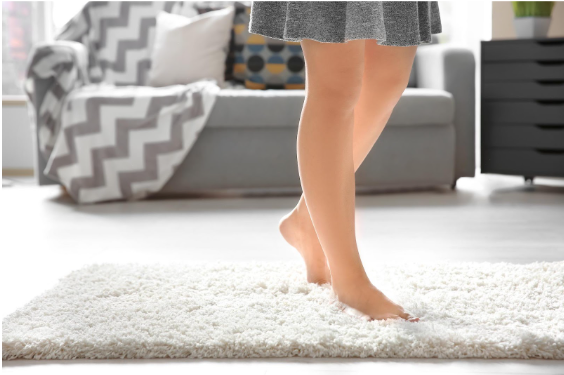
Home textiles play a quiet but essential role in everyday living. From carpets underfoot to bath mats in wet areas, textiles at home contribute to comfort, safety, hygiene, and interior functionality. Among all home textile products, carpets, mats, and bath mats are used the most and face the highest daily wear. Their performance depends largely on the yarn used in manufacturing, especially BCF yarns, which are widely preferred for floor coverings.
This blog explains what home textiles are, the materials used, how they are made, and why BCF yarn–based products are central to modern home textile applications.
What Are Home Textiles?
Home textiles refer to textile products designed specifically for residential interiors. These products are used across floors, bathrooms, bedrooms, living spaces, and kitchens. Unlike apparel textiles, home textiles are engineered for durability, comfort, and repeated daily use.
Floor-focused home textile products such as carpets, bath mats, and area mats must withstand foot traffic, moisture, and frequent cleaning, making yarn quality a critical factor.
Also Read: Understanding BCF yarn performance
What Materials Are Used in Home Textiles?
Home textiles are manufactured using both natural and synthetic fibers. For floor coverings and mats, synthetic yarns are preferred due to their strength and consistency. Commonly used materials include: Cotton (mainly for towels and lightweight mats), Polyester, Nylon, and Polypropylene.
For carpets and bath mats, Bulk Continuous Filament (BCF) yarn is widely used. BCF yarn offers uniform filament structure, better resilience, and long-term performance, making it suitable for high-usage home textile products.
How Are Home Textile Products Manufactured?
The manufacturing of home textile products involves several structured stages:
- Yarn production: BCF yarns are produced through continuous filament extrusion.
- Texturizing: Adds bulk and softness to yarns used in carpets and mats.
- Weaving or tufting: Common for carpets and bath mats.
- Dyeing: Either solution-dyed or post-dyed, depending on performance needs.
- Finishing: Enhances durability, appearance, and ease of maintenance.
For floor coverings, BCF yarn ensures consistent pile height, better recovery after compression, and uniform surface appearance.
What Are the Key Properties of Home Textiles?
Quality home textile products share a few essential properties:
- Durability under daily use
- Resistance to moisture and stains
- Comfort underfoot
- Easy maintenance
- Color retention over time
These properties are especially important for carpets and bath mats, where performance depends directly on yarn structure and material quality.
Types of Home Textile Products Used in Different Areas of the Home
Home textile products vary based on their location and function within a house.
- Floor coverings: Carpets, rugs, and area mats manufactured using AYM Syntex BCF yarns for carpets for durability and resilience
- Bathrooms: Bath mats and anti-slip mats using Silkenza™ Nylon BCF yarn for softness and moisture resistance
- Living spaces: Area rugs and carpets designed for foot traffic
- Bedrooms: Soft floor coverings focused on comfort
Also Read: Choosing carpet yarns for flooring
What Are Home Textiles Used For?
Home textiles serve multiple practical purposes:
- Enhancing comfort and warmth
- Protecting flooring surfaces
- Improving indoor aesthetics
- Absorbing moisture in wet areas
- Reducing noise and improving insulation
Carpets and mats made from BCF yarns perform these functions consistently over long periods.
Home Textiles for Bedroom, Living Room, and Kitchen
Different rooms require different textile properties.
- Bedroom: Soft carpets and rugs made from Rezilia® Polyester BCF for comfort and durability
- Living room: High-resilience carpets designed for frequent foot traffic
- Kitchen: Mats that offer slip resistance and easy cleaning
Also Read: Residential BCF yarn selection
Home Textiles vs Furnishing Fabrics: What’s the Difference?
Home textiles include functional products like carpets, mats, and bath mats. Furnishing fabrics, on the other hand, are mainly used for upholstery, curtains, and decorative elements. Home textiles focus more on performance and durability, especially for floor-based applications.
Are Home Textile Products Suitable for Daily Use?
Yes. High-quality home textile products, particularly those made with BCF yarns, are designed for daily residential use. They maintain structure, color, and comfort even with repeated cleaning and continuous foot traffic.
Advantages of Using Quality Home Textiles
Using quality home textiles offers clear benefits:
- Longer product life
- Better appearance retention
- Improved comfort and safety
- Reduced replacement frequency
Products made with Sorenyl™ BCF solution-dyed yarn provide superior color fastness and performance, especially in high-use areas.
Disadvantages of Low-Quality Home Textile Products
Low-quality home textiles often:
- Flatten quickly
- Lose color after washing
- Absorbs moisture poorly
- Require frequent replacement
Inferior yarn quality directly impacts product lifespan and user experience.
Choosing the Right Home Textile Products
Choosing the right home textile products depends on yarn quality, area of use, and maintenance needs. Carpets and mats used in high-traffic or moisture-prone areas should be made from durable BCF yarns that retain shape and performance over time. Products that are easy to clean and maintain are better suited for daily residential use. Considering the expected lifespan also helps ensure long-term comfort and value from home textile products.
Also Read: Carpet lifecycle and yarn selection