Textured yarn is widely used in modern textile manufacturing where fabric comfort, bulk, and functional performance are required. By modifying the structure of smooth synthetic filaments, manufacturers are able to improve how fabrics feel, behave, and perform in end-use applications. This article covers textured yarn, texturing in textiles, and key differences from non-textured yarns.
What Is Textured Yarn?
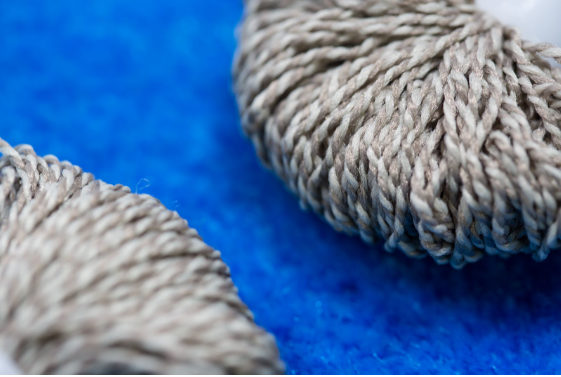
Textured yarn is a continuous filament yarn whose filament structure has been deliberately modified to create crimp, loops, or bulk along the yarn length. This modification is achieved through mechanical or thermal processing, without cutting or breaking the filaments.
Unlike flat filament yarns, textured yarns exhibit a three-dimensional structure that enhances bulk, elasticity, and surface softness. These yarns are most commonly produced from synthetic filaments such as polyester and nylon, as these fibers respond effectively to heat and deformation during texturing. To better understand the base materials involved, it is helpful to review how polyester yarn is used in textile manufacturing and how nylon yarn is used in textiles.
What Is Texturing in Textiles?
Texturing in textiles refers to the controlled deformation of smooth synthetic filaments to alter their physical structure. The objective is not to change the fiber chemistry, but to change how the filament behaves in fabric form.
Through texturing, flat and smooth filaments gain:
- Volume and loft
- Improved flexibility
- Better moisture handling
- Enhanced fabric aesthetics
This approach to filament modification is a key part of modern texturing processes used in textile manufacturing.
How Is Textured Yarn Manufactured?
Textured yarn manufacturing begins with partially oriented yarn (POY) or fully drawn yarn. The most common industrial methods include:
- False Twist texturing: Filaments are twisted, heat-set, and untwisted to create permanent crimp.
- Air-jet texturing: High-pressure air forms loops and entanglements, producing bulk without stretch.
- Draw texturing: Drawing and texturing occur in a single continuous process.
The chosen method depends on the required yarn characteristics, such as stretch, softness, or bulk. Understanding the relationship between POY and downstream processing is essential for evaluating textured yarn manufacturing.
What Are the Key Properties of Textured Yarn?
Textured yarns exhibit a balance of performance and comfort properties, including:
- Increased bulk and cover
- Enhanced elasticity or controlled stretch
- Improved softness and hand feel
- Better thermal insulation
- Reduced fabric slippage
These properties make textured yarns suitable for both functional and decorative textiles.
Different Textured Yarn Types Used in Textiles
Common textured yarn types include:
- Draw Textured Yarn (DTY): Stretchable and widely used in apparel fabrics
- Bulk Continuous Filament (BCF): Primarily used in carpets and upholstery
- Air Textured Yarn (ATY): Bulkier with a spun-like appearance
- High-bulk yarns: Designed for insulation and volume-driven applications
Each type is engineered for specific end-use requirements.
What Is Textured Yarn Used For?
Textured yarn is used across multiple textile segments, including:
- Apparel fabrics such as activewear, innerwear, and outerwear
- Home textiles like curtains, upholstery, and bedding
- Technical textiles require flexibility and durability
- Knitted and woven fabrics where softness and elasticity are essential
Its adaptability makes it a staple in synthetic textile manufacturing.
Textured Yarn vs Non-Textured Yarn: What’s the Difference?
The primary difference lies in filament structure.
Non-textured yarns remain smooth, flat, and compact, while textured yarns have modified filament geometry.
Textured yarns offer better comfort and fabric cover, whereas non-textured yarns are preferred where dimensional stability and smooth surfaces are required.
Is Textured Yarn Suitable for Apparel and Home Textiles?
Yes. Textured yarn is widely used in both apparel and home textile applications due to its balanced performance. It delivers comfort for clothing while providing durability and bulk for furnishings and interior fabrics.
Its versatility allows manufacturers to tailor fabric behavior without altering fiber composition.
Advantages of Textured Yarn
Textured yarn offers several functional and aesthetic benefits that make it suitable for a wide range of textile applications.
- Improved fabric comfort
- Enhanced elasticity and recovery
- Better insulation and bulk
- Natural-fiber-like appearance
- Efficient fabric coverage
In practical applications, these advantages are reflected in textured yarn solutions developed by Aymsyntex. For example, COMFEEL is a synthetic textured performance yarn designed for denim, knitwear, and narrow-width tapes, offering reliable stretch recovery, softness, shape retention, and skin-friendly comfort.
In more advanced constructions, bicomponent textured yarns such as Spinovate® use specialized extrusion technology to achieve exceptional softness, bulk, luster, and a suede-like hand feel.
Check Aymsyntex’s Textile Yarns – Apparel and Fashion
Disadvantages of Textured Yarn
Despite its benefits, textured yarn also has certain limitations that should be considered during yarn and fabric selection.
- More processing compared to flat yarn
- Slightly higher production complexity
- Not suitable for applications requiring ultra-smooth surfaces
Proper yarn selection helps mitigate these limitations.
Choosing the Right Textured Yarn
Selecting the right textured yarn depends on the intended end-use and the required level of stretch and softness. It also involves considering the fabric construction method and the expected durability in use. Evaluating these factors together helps ensure that yarn properties align with fabric performance needs and deliver consistent results in the final application.