What are Polypropylene Yarns?
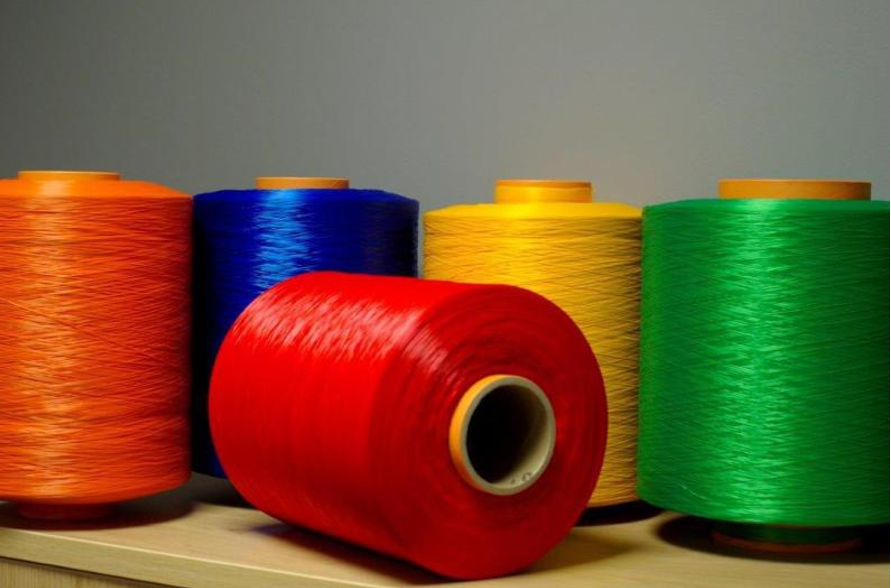
Polypropylene yarns are synthetic yarns manufactured from polypropylene polymers, designed to deliver high performance in demanding industrial environments. These yarns are produced through extrusion processes, where molten polymer is converted into continuous filaments or bulked yarn structures.
Known for their low density, high durability, and resistance to chemicals and moisture, polypropylene yarns are widely used across industrial and technical textile applications. Their ability to maintain structural integrity under stress makes them suitable for both heavy-duty and long-term use cases.
Compared to other synthetic fibres, polypropylene stands out for its cost-efficiency and functional performance, especially in applications where weight reduction and environmental resistance are critical.
Key Properties of Polypropylene Yarns
1. High Strength-to-Weight Ratio
Polypropylene yarns offer excellent tensile strength while remaining lightweight. This makes them ideal for applications where durability is required without adding excessive weight.
2. Chemical and Moisture Resistance
These yarns are inherently resistant to acids, alkalis, and moisture, making them suitable for use in environments exposed to harsh chemicals or humidity.
3. Lightweight Construction
Polypropylene is one of the lightest synthetic fibres, allowing manufacturers to produce fabrics that are easy to handle, transport, and install.
4. Thermal and UV Resistance
Polypropylene yarns can be stabilised to withstand UV exposure and moderate thermal conditions, which is essential for outdoor and industrial applications.
5. Antibacterial and Hygienic Properties
Polypropylene yarn has inherent antibacterial and hypoallergenic properties. Its hydrophobic structure does not support bacterial or fungal growth, making it widely used in medical and hygiene products such as surgical masks, wound dressings, and disposable garments.
Types of Polypropylene Yarns
Type |
Description |
|
Polypropylene Filament Yarn |
Continuous filaments offer uniform strength and smooth texture; widely used in technical textiles. |
|
Polypropylene BCF Yarn |
Bulked Continuous Filament yarn processed for bulk and texture; ideal for carpets, rugs, and flooring. |
|
Polypropylene Staple Fiber Yarn |
Short-cut fibers spun into yarn; used in nonwovens, geotextiles, and filtration fabrics. |
|
Polypropylene Spunbond Yarn |
Produced via spunbonding for lightweight, breathable fabrics; common in hygiene and medical products. |
|
Recycled Polypropylene Yarn |
Made from post-industrial or post-consumer waste, it offers similar performance with reduced environmental impact. |
Applications in Industrial and Technical Textiles
1. Geotextiles and Civil Engineering Fabrics
Polypropylene yarns are extensively used in geotextiles, where they provide reinforcement, filtration, and separation in construction projects such as roads, embankments, and drainage systems.
2. Carpet and Flooring Applications
BCF polypropylene yarns are commonly used in carpets due to their resilience, stain resistance, and cost-effectiveness.
3. Packaging and Industrial Materials
These yarns are used in woven sacks, bulk bags, ropes, and packaging materials, where strength and lightweight properties are essential.
4. Automotive and Technical Fabrics
Polypropylene yarns are applied in automotive interiors, insulation materials, and technical fabrics, benefiting from their durability and resistance properties.
Quality and Selection Considerations for Buyers
Yarn Type (Filament vs BCF) |
|
Filament yarns are preferred for smooth, high-strength applications, while BCF yarns are suitable for bulk and textured uses like carpets. |
Denier and Filament Count |
|
Higher denier yarns offer increased strength, while lower denier yarns provide finer textures. |
Chemical and UV Resistance Requirements |
|
Applications exposed to outdoor or chemical environments require enhanced stabilisation. |
Processing Compatibility |
|
Compatibility with weaving, knitting, or extrusion processes ensures efficient production and reduced downtime. |
Impact on Fabric Performance and Production Efficiency
Polypropylene yarns significantly enhance fabric performance and manufacturing efficiency. Their lightweight nature reduces material consumption and transportation costs, while their durability ensures long service life.
From a production perspective, these yarns offer:
- Ease of processing due to low density.
- They can contribute to reduced energy consumption during manufacturing.
- Consistent performance across large-scale production.
This makes polypropylene yarns a preferred choice for industrial-scale textile operations.
Common Issues and Limitations
Despite their advantages, polypropylene yarns have certain limitations:
-
Low Heat Resistance:
Polypropylene has a relatively low melting point compared to other synthetic fibres. This means PP cannot be ironed like cotton, wool, or nylon, and processing temperatures must be carefully controlled.
-
UV Degradation (if unstabilised):
Prolonged exposure to sunlight can significantly affect performance. Without UV stabilisers, PP fibres become brittle over time and experience significant tensile strength loss.
-
Limited Dyeability:
Since polypropylene molecular chains have no polar functional groups, dye molecules cannot be chemically attracted to the fibres. Polypropylene is instead coloured during production through pigmentation — often called dope dyeing or melt dyeing — which provides very good light fastness ratings of 7 and higher. However, this limits flexibility for post-production colour changes.
-
Lower Abrasion Resistance (in some applications):
Lower abrasion resistance compared to nylon in high-friction or heavy-duty applications.
Understanding these limitations helps manufacturers select appropriate applications and treatments.
Conclusion
Polypropylene yarns play a vital role in industrial textiles by offering a combination of strength, durability, and lightweight performance. Their resistance to chemicals, moisture, and environmental factors makes them highly suitable for demanding applications across sectors such as construction, automotive, and packaging.
With advancements in material technology and the growing adoption of recycled polypropylene yarns, these materials continue to evolve in line with sustainability and performance requirements. For manufacturers and buyers, selecting the right yarn type and specifications — including UV stabilisation, colouring method, and flame-retardant treatment — is essential to maximise both product quality and operational efficiency.