What is Dyeing Yarn?
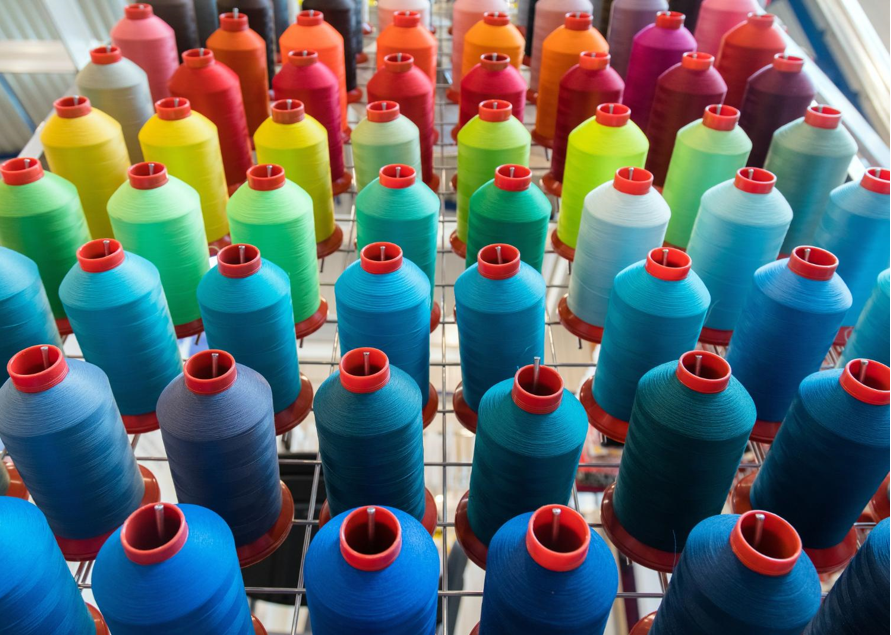
Dyeing yarn refers to the process of adding color to yarns at the fiber, filament, or yarn stage before fabric formation. Unlike piece dyeing, which is done after fabric production, yarn dyeing ensures that color is integrated directly into the yarn structure.
This method provides better control over shade consistency and allows manufacturers to achieve uniform results across multiple production batches. Dyed yarns are especially important in applications where color matching, repeatability, and long-term performance are critical.
Depending on the process, yarn dyeing can be carried out through methods such as packaged dyeing or solution dyeing, each offering different levels of color penetration and durability.
Key Properties of Dyed Yarns
Dyed yarns are selected not just for color, but for how consistently they perform during processing and in the final fabric. Their properties directly influence fabric quality, durability, and manufacturing efficiency.
Color Consistency and Uniformity
One of the primary advantages of dyed yarn is its ability to maintain consistent color across different lots. This is essential in textile manufacturing, where even slight variations can affect the appearance of the final fabric.
Enhanced Colorfastness
Dyed yarns are engineered to resist fading caused by washing, light exposure, and abrasion. This ensures long-term color retention in both apparel and home textile applications.
Mechanical Performance
The dyeing process is controlled to preserve the yarn’s physical properties. Strength, elongation, and structural integrity remain stable, allowing smooth performance during weaving, knitting, or further processing.
Fabric Appearance and Aesthetic
Yarn dyeing enhances color depth and clarity, enabling better visual quality in fabrics. It also supports pattern creation such as stripes and engineered designs that cannot be achieved effectively through piece dyeing.
Process Efficiency
Using dyed yarn reduces the need for additional dyeing at the fabric stage. This simplifies the production process, minimizes variability, and improves manufacturing efficiency.
These combined properties make dyed yarns suitable for applications where both visual consistency and functional performance are required.
Also Read: Packaged Dyed vs Solution Dyed Yarns – Choosing the Right Kind of Yarn
Types of Dyed Yarns
Dyed yarns are classified based on fiber type and end-use requirements. Each category is designed to deliver specific performance characteristics depending on the application.
-
Polyester Dyed Yarn
Polyester dyed yarn is widely used due to its durability, consistent dye uptake, and resistance to environmental factors. It performs well across a range of textile applications, from apparel to industrial uses.
-
Cotton Dyed Yarn
Cotton dyed yarn offers natural softness and breathability. It is commonly used in garments where comfort is a priority, though it may require more controlled dyeing processes to achieve uniform results.
-
Blended Fiber Dyed Yarns
Blended yarns combine fibers such as polyester and cotton to achieve a balance of durability and comfort. Dyeing blended yarns requires careful process control to ensure even color distribution across different fiber components.
-
Dyed Threads
Dyed threads are specialized yarns designed for stitching applications. They must maintain both color consistency and tensile strength during high-speed sewing operations.
Refer: Polyester Sewing Thread – Dyed-Yarns
Selecting the right type of dyed yarn depends on the intended application, required performance, and processing conditions.
Applications in Textile and Industrial Manufacturing
Dyed yarns are used across multiple textile segments where color accuracy, durability, and process consistency are important. Their role extends from everyday fabrics to technical applications.
-
Apparel Manufacturing
Dyed yarns are extensively used in apparel production where shade consistency across large volumes is essential. They are commonly used in knitwear, denim, and performance garments.
-
Home Textiles
In home textile applications such as curtains, upholstery, and bedding, dyed yarns ensure consistent appearance and long-term color stability. Their performance becomes particularly important in products exposed to frequent use and washing.
-
Industrial and Technical Fabrics
Dyed yarns are also used in technical textiles where both performance and visual identification are required. Color coding can play a functional role in certain industrial applications.
-
High-Volume Production
In large-scale manufacturing, dyed yarn helps maintain batch-to-batch consistency. This reduces defects, minimizes rework, and improves overall production efficiency.
This wide range of applications highlights the importance of dyed yarns in both functional and aesthetic textile requirements.
Quality and Selection Considerations for Buyers
Choosing the right dyed yarn requires evaluating both material characteristics and processing requirements. The following factors help ensure consistent performance in the final application.
-
Fiber Type
The base fiber—whether polyester, cotton, or a blend—affects dye absorption, durability, and end-use performance.
-
Dye Type and Fastness
The choice of dye and dyeing method determines resistance to washing, light, and wear. This directly impacts product lifespan.
-
Color Uniformity
Uniform dye penetration and consistent shade across batches are critical for maintaining product quality in large-scale production.
-
Mechanical Integrity
The yarn must retain its strength and processing stability after dyeing to avoid issues during weaving, knitting, or sewing.
Careful evaluation of these factors ensures that the selected dyed yarn aligns with both production needs and end-use expectations.
Impact on Fabric Performance and Production Efficiency
Dyed yarn significantly improves both fabric performance and production efficiency. Since color is fixed at the yarn stage, manufacturers gain better control over final fabric appearance and reduce variability during processing.
This approach also eliminates additional dyeing steps at the fabric stage, saving time and resources while enabling more predictable production outcomes and consistent quality across batches.
In performance-driven applications, engineered dyed yarns such as COMFEEL are developed to maintain softness, stretch behavior, and shape retention, ensuring that fabric performance remains stable even under repeated use and processing conditions.
Also Read: Comfeel Performance Dyed Yarns
Common Issues and Limitations
Despite its advantages, yarn dyeing comes with certain challenges:
- Higher processing complexity compared to fabric dyeing
- Requires strict control to prevent shade variation
- Blended fibers may require specialized dyeing techniques
- Cost can be higher depending on the dyeing method used
Understanding these limitations is important when selecting dyed yarn for specific applications.
Conclusion
Dyeing yarn is a critical process in modern textile manufacturing, directly influencing color consistency, product performance, and production efficiency. By integrating color at the yarn stage, manufacturers achieve better control over fabric quality and reduce variability in large-scale production.
Selecting the right dyed yarn involves evaluating fiber type, dyeing method, and application requirements. When chosen correctly, dyed yarn ensures reliable performance across apparel, home textiles, and industrial uses while maintaining consistent visual and functional standards.