What Are Fashion Threads?
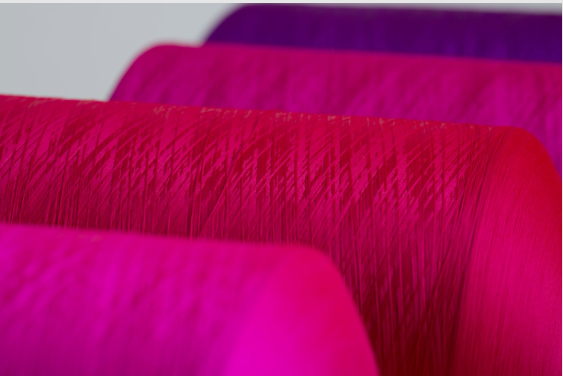
Fashion threads are sewing threads specifically selected for apparel manufacturing based on appearance, seam performance, fabric compatibility, and durability requirements. Unlike generic sewing threads, fashion threads are engineered to support both garment construction and visual design.
In apparel manufacturing, thread selection directly affects stitch quality, seam strength, fabric handling, and the overall appearance of the finished garment. Fashion threads are commonly produced using polyester, nylon, cotton, viscose, or blended yarn systems, depending on the intended application.
Modern apparel production increasingly relies on synthetic filament-based threads because they provide consistent tensile properties, controlled elongation, and stable performance during high-speed stitching operations. Polyester-based fashion yarns, in particular, are widely used due to their balance of durability, colour consistency, and process efficiency.
Role of Fashion Threads in Apparel Design
Fashion threads contribute to apparel design far beyond seam joining. Their texture, finish, colour behaviour, and stitch appearance all influence how garments look and perform.
Enhancing Aesthetic Appeal and Fabric Texture
Thread appearance plays a significant role in garment presentation. Factors such as lustre, thickness, texture, and colour consistency affect the visual quality of seams and decorative details.
Textured fashion yarns can create softer seam lines and improve fabric aesthetics in knitwear, casual garments, and premium apparel. Fine filament threads are commonly used where smooth stitch definition and clean surface appearance are required.
In visible stitching applications, thread colour precision becomes especially important because inconsistent dyeing or uneven filament structure can affect garment appearance across production batches.
Contribution to Decorative and Speciality Stitching
Fashion threads are extensively used in decorative stitching, embroidery, topstitching, and ornamental seam construction. These stitching techniques are common in denim, jackets, activewear, and premium fashion products. Different thread constructions allow manufacturers to achieve specific visual effects:
| Thread Characteristic | Design Contribution |
| High-lustre filament threads | Enhance visual richness and surface shine |
| Textured threads | Add softness and a dimensional appearance |
| Contrast-colour threads | Highlight seam lines and garment panels |
| Thick decorative threads | Improve stitch visibility and styling |
Decorative stitching is not only aesthetic; it also helps brands differentiate garments through seam detailing and surface texture.
Alignment with Fashion Trends and Design Innovation
Fashion trends increasingly demand garments with technical finishes, stretch compatibility, lightweight construction, and complex seam detailing. As apparel designs evolve, thread engineering must adapt accordingly.
For example, activewear and athleisure garments require threads that maintain seam flexibility without compromising stitch stability. Similarly, lightweight fashion fabrics require fine threads that minimise seam puckering while maintaining sufficient strength.
This connection between material engineering and garment styling makes fashion threads an important component in modern apparel innovation.
Refer: Textile Yarns – Performance – Activewear Yarns
Impact of Fashion Threads on Garment Durability
Garment durability depends heavily on seam performance. Even high-quality fabrics can fail prematurely if the thread system does not match the application.
Tensile Strength and Seam Integrity
The thread tensile strength directly affects seam durability under stress. During garment use, seams experience repeated stretching, friction, and movement. If thread strength is insufficient, seam failure can occur even when the fabric remains intact. Synthetic filament-based fashion yarns are widely used because they provide:
| High tensile strength | Better elongation control |
| Improved seam holding capacity | Stable stitch formation |
Balanced thread strength is critical. Excessively strong threads may damage lightweight fabrics, while weak threads reduce seam lifespan.
Resistance to Abrasion, Washing, and Wear
Apparel threads are exposed to repeated washing, mechanical abrasion, detergents, and environmental conditions throughout a garment’s lifecycle. Polyester fashion threads are commonly preferred because they offer:
| Good abrasion resistance | Low moisture absorption |
| Better colour retention | Stability under repeated washing cycles |
These characteristics help garments maintain seam appearance and structural performance over time, especially in frequently used apparel categories.
Long-Term Performance in High-Use Garments
Certain apparel segments demand higher seam durability due to continuous wear and frequent laundering. Examples include:
| Sportswear | Uniforms |
| Workwear | Denim |
| Children’s garments | |
In these applications, thread fatigue resistance becomes essential. Controlled elongation and stable filament structure help prevent seam distortion, skipped stitches, and thread breakage during long-term use.
The ability of fashion yarns to maintain seam stability under repeated stress directly influences garment lifespan and customer satisfaction.
Also Read: Advantages of Recycled Polyester Yarn
Stitch Performance of Fashion Threads
In industrial apparel manufacturing, stitch performance affects not only garment quality but also production efficiency.
Seam Strength and Stitch Consistency
Consistent stitch formation depends on thread uniformity, friction behaviour, and elongation characteristics. Poor-quality threads may create:
| Uneven stitches | Seam puckering |
| Loop formation | Inconsistent tension |
High-quality fashion threads are engineered to maintain stable stitch geometry across long production runs. Uniform filament structure also improves seam appearance in visible stitching applications.
Compatibility with High-Speed Sewing Machines
Modern apparel manufacturing operates on high-speed automated sewing systems where thread performance must remain stable under continuous mechanical stress. Threads used in industrial sewing must support:
| Smooth passage through needles | Controlled heat generation |
| Stable tension behaviour | Minimal lint formation |
Filament-based fashion yarns are often preferred because their smooth structure reduces friction and improves sewing efficiency at higher operating speeds.
Reduction of Thread Breakage and Production Downtime
Thread breakage directly affects production efficiency by interrupting stitching operations and increasing machine downtime. Frequent breakage can result from:
| Inconsistent yarn structure | Poor lubrication |
| Excessive friction | Uneven twist balance |
Well-engineered fashion threads reduce these issues by maintaining uniform mechanical properties throughout the yarn package. This helps manufacturers improve sewing productivity while reducing material waste and rework.
Application Areas of Fashion Threads in the Apparel Industry
Fashion threads are used across multiple apparel categories, with thread selection varying based on garment construction, fabric type, stitching requirements, and expected wear conditions. Different apparel segments require specific thread properties to maintain both appearance and performance during production and long-term use.
Casual and Fashion Wear
Fashion threads are widely used in T-shirts, shirts, dresses, denim, and knitwear, where seam appearance, softness, and colour consistency are important. Decorative stitching and visible seam detailing are especially common in fashion-focused garments.
Sportswear and Activewear
Sportswear applications require threads with flexibility, abrasion resistance, and stable stretch recovery. These garments experience repeated movement and laundering, making seam durability critical for long-term performance.
Formal and Premium Apparel
Premium apparel often uses finer threads to achieve clean seam lines, refined stitch appearance, and improved fabric drape. Controlled thread quality is particularly important in tailored garments where visible seam precision affects overall garment presentation.
Refer: Home Textiles by Aymsyntex
Advantages of Using Fashion Threads
Fashion threads provide several advantages in apparel manufacturing:
- Improved seam durability
- Better stitch consistency
- Enhanced garment appearance
- Compatibility with automated sewing systems
- Reduced production interruptions
- Better resistance to washing and abrasion
- Support for decorative and technical stitching applications
The correct thread selection also improves production efficiency by reducing sewing defects and minimising thread-related machine stoppages.
Conclusion
Fashion threads play a central role in modern apparel manufacturing by supporting both garment aesthetics and structural performance. Their influence extends across seam durability, stitch consistency, production efficiency, and design flexibility.
As apparel manufacturing continues to evolve toward higher-speed production and more technical garment construction, the importance of engineered fashion yarns and sewing threads continues to increase. Selecting the right thread system is therefore not only a sewing decision, but also a material performance decision that directly affects garment quality and long-term usability.