What Are Fancy Yarns? Structure, Types, and Manufacturing Techniques
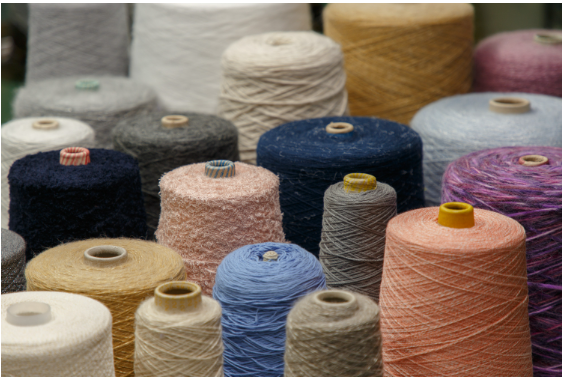
Fancy yarns are specialised yarns engineered to create decorative surface effects, irregular textures, or enhanced visual appeal in textile products. While conventional yarns focus mainly on uniformity and structural consistency, fancy yarns are intentionally designed with variations in thickness, loops, slubs, knots, curls, or colour effects. These yarns are widely used in apparel, upholstery, home textiles, and selected technical applications where fabric appearance and differentiation are important.
Definition and Overview of Fancy Yarns
Fancy yarns are produced by modifying yarn structure during spinning, twisting, or texturing processes. The objective is not only functional performance but also surface aesthetics and fabric character. A typical fancy yarn structure may include:
- A core yarn for strength
- An effective yarn for decorative appearance
- A binder yarn to hold the structure together
This combination allows manufacturers to create yarns with controlled irregularities and unique tactile effects that cannot be achieved with standard filament or spun yarns. In modern textile manufacturing, fancy yarns are increasingly used to develop premium fabrics, decorative interiors, and differentiated textile collections.
Common Fancy Yarn Types
Fancy yarns are available in multiple constructions depending on the required visual effect and end-use application.
Fancy Yarn Type |
Structural Characteristic |
Common Applications |
| Slub Yarn | Thick and thin irregular sections | Denim, fashion apparel |
| Loop Yarn | Continuous loops on yarn surface | Knitwear, upholstery |
| Chenille Yarn | Soft pile-like surface | Home textiles, blankets |
| Knot Yarn | Decorative knots at intervals | Decorative fabrics |
| Spiral Yarn | Twisted multi-colour effect | Fashion textiles |
| Bouclé Yarn | Curled and looped texture | Jackets, upholstery |
| Metallic Fancy Yarn | Integrated metallic filaments | Decorative fabrics, fashion |
Each fancy yarn type creates a different fabric appearance, texture profile, and visual depth.
Manufacturing Techniques Used by Fancy Yarn Manufacturers
Fancy yarn manufacturers use controlled spinning and texturing techniques to develop decorative effects while maintaining process stability. Common manufacturing methods include:
- Ring spinning modifications
- Hollow spindle spinning
- Air-jet texturing
- Twisting and overfeeding techniques
- Multi-component yarn assembly
- Controlled filament texturing
The manufacturing process must balance appearance with mechanical performance. Excessive irregularity can affect weaving efficiency, dye consistency, or fabric durability, which is why precision control during production is important.
Also Read: How Polyester Synthetic Filament Yarns are Made
How Fancy Yarns Drive Value Addition in Textile Products
Fancy yarns contribute significantly to product differentiation and perceived textile value. In competitive textile markets, visual uniqueness often becomes as important as functional performance.
Enhanced Aesthetic Appeal and Unique Textures
One of the primary advantages of fancy yarns is their ability to create visually appealing fabrics. Surface variations improve:
- Fabric depth and dimension
- Tactile softness
- Decorative richness
- Premium appearance
These effects allow manufacturers to produce textiles with higher visual impact without relying solely on printing or finishing processes. In apparel, fancy yarns help create textured garments with improved fashion appeal. In interiors, they enhance the visual richness of upholstery, carpets, curtains, and decorative fabrics.
Cost and Process Efficiency Benefits
Fancy yarns can also reduce dependence on additional surface treatments or complex fabric finishing. For example:
- Textured yarn structures may reduce the need for heavy brushing or embossing
- Multi-colour yarn effects can simplify fabric patterning
- Decorative yarn surfaces can minimise additional embellishment processes
This allows manufacturers to achieve differentiated textile designs while controlling processing costs and production complexity.
Also Read: Advantages of Recycled Polyester Yarn
Differentiation in Fashion and Home Textiles
The textile industry increasingly relies on material differentiation to respond to fast-changing design trends. Fancy yarns help brands:
- Develop unique seasonal collections
- Create premium-looking fabrics
- Improve product exclusivity
- Introduce unique surface aesthetics without changing fabric construction entirely
This flexibility is particularly important in fashion apparel and home textile markets where appearance strongly influences purchasing decisions.
Role of Fancy Yarns in Textile Design Innovation
Textile design innovation today extends beyond colour and fabric construction. Yarn-level engineering has become an important part of creating differentiated textile surfaces. Fancy yarns support design innovation by enabling:
- Multi-dimensional fabric textures
- Controlled irregularity patterns
- Hybrid material combinations
- Advanced colour blending effects
- Soft-touch and high-bulk fabric structures
Designers often use fancy yarns to create fabrics that combine visual texture with functional performance. This is especially relevant in modern knitwear, upholstery, carpets, and decorative woven fabrics. The ability to engineer texture directly into the yarn also gives manufacturers greater creative flexibility during weaving and knitting.
Performance Characteristics of Fancy Yarns in Industrial Applications
Although fancy yarns are often associated with decorative textiles, they also require stable processing performance during industrial-scale manufacturing. Important performance characteristics include:
Performance Factor |
Industrial Importance |
| Yarn Stability | Reduces breakage during weaving and knitting |
| Tensile Strength | Maintains fabric durability |
| Uniform Dye Uptake | Helps maintain colour consistency |
| Surface Cohesion | Prevents excessive fibre shedding |
| Bulk Retention | Maintains fabric texture over time |
| Process Compatibility | Supports high-speed textile production |
Modern fancy yarn manufacturing focuses not only on aesthetics but also on maintaining compatibility with automated textile machinery and large-scale production systems.
Applications of Fancy Yarns in Value-Added Textile Segments
Textile manufacturers use fancy yarns across multiple value-added segments where surface texture, visual differentiation, and fabric aesthetics play an important role. The application varies depending on the end-use environment and required fabric performance.
Apparel |
Home Textiles |
Technical & Industrial Textiles |
| Fashion knitwear | Upholstery fabrics | Automotive interiors |
| Jackets and outerwear | Decorative cushions | Decorative industrial fabrics |
| Scarves and accessories | Curtains and drapery | Acoustic textiles |
| Denim and casual wear | Rugs and carpets | Performance upholstery |
| Premium woven fabrics | Throws and blankets | Commercial carpeting |
In these applications, fancy yarn structures help improve visual depth, surface texture, and product differentiation. Their ability to combine decorative appearance with functional textile performance makes them valuable across both consumer and industrial textile markets.
Role of Fancy Yarn Manufacturers in Meeting Market Demand
Fancy yarn manufacturers play an important role in helping textile producers respond to changing consumer preferences and design trends. Modern manufacturers focus on:
- Custom yarn development
- Consistent quality control
- Colour precision
- Sustainable yarn solutions
- High-speed manufacturing compatibility
- Flexible production capabilities
As textile markets move toward shorter product cycles and greater product differentiation, the ability to develop specialised fancy yarn structures becomes more important.
Advantages of Using Fancy Yarns in Textiles
Fancy yarns offer several advantages across textile manufacturing:
- Improved fabric aesthetics
- Greater product differentiation
- Enhanced texture and softness
- Reduced dependence on heavy finishing
- Flexibility in design development
- Better premium product positioning
- Compatibility with multiple textile applications
These benefits make fancy yarns valuable in both decorative and functional textile categories.
Conclusion
Fancy yarns have become an important component of value-added textile manufacturing. Their ability to create distinctive textures, visual depth, and differentiated fabric surfaces allows manufacturers to develop products with stronger market appeal.
Beyond aesthetics, modern fancy yarns are engineered to support industrial processing efficiency, consistent performance, and large-scale textile production. As textile markets continue to prioritise design innovation and product differentiation, fancy yarns will remain an essential part of advanced textile development across apparel, home textiles, and technical applications.