What Are Multi-Colour Yarns? Structure and Manufacturing Techniques
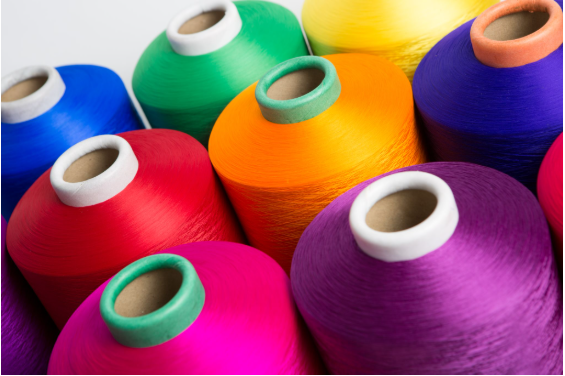
Multi-coloured yarns are yarns that contain two or more colours distributed along the yarn structure in a controlled manner. Compared with solid dyed yarns, which maintain a single uniform shade, multi-coloured yarns create visual variation directly at the yarn stage.
These yarns are produced using specialised dyeing, blending, or printing methods that allow colour transitions, irregular effects, or repeated patterns to appear within the yarn itself. The colour variation may occur throughout the fibre blend, at intervals along the yarn length, or as surface-level printed effects, depending on the manufacturing process.
In textile manufacturing, multi-coloured yarns are used to produce fabrics with decorative effects without relying heavily on additional fabric printing or complex dyeing after weaving or knitting. This makes them important in value-added textile segments where visual differentiation and efficient production are both critical.
Modern textile production increasingly uses multi-colour yarn systems in apparel fabrics, carpets, upholstery, knitting yarns, and home textiles because they allow manufacturers to create more distinctive products while reducing downstream processing complexity.
Types of Multi-Colour Yarns Used in Textile Manufacturing
Different types of multi-coloured yarns are used depending on the required visual effect, fabric structure, and end-use application.
Yarn Type |
Manufacturing Method |
Common Applications |
| Mélange Yarn | Fibre blending before spinning | Apparel, knitwear, casual fabrics |
| Space-Dyed Yarn | Multiple colours dyed along the yarn length | Carpets, upholstery, decorative textiles |
| Printed and Patterned Yarn | Surface printing or controlled colour application | Fashion textiles, crochet yarns, home décor |
Mélange Yarn
Mélange yarn is produced by blending fibres of different colours before spinning. Instead of dyeing the finished yarn, coloured fibres are mixed in controlled proportions to create a heathered or mottled appearance.
This structure creates subtle colour variation across the fabric surface, making mélange yarn widely used in casual apparel, knitted garments, and home textiles where softer visual textures are preferred.
Space-Dyed Yarn
Space-dyed yarn contains multiple colours applied at intervals along the yarn length. The colours may repeat in fixed or irregular sequences depending on the desired fabric effect.
This type of yarn is commonly used in carpets, upholstery fabrics, decorative textiles, and multi-coloured knitting applications because it creates dynamic patterns during fabric formation without requiring additional printing.
Printed and Patterned Yarn
Printed and patterned yarns are produced by applying colours directly onto the yarn surface using controlled printing systems. These yarns are used where more defined colour effects or decorative patterns are required.
They are commonly seen in fashion textiles, decorative fabrics, and multi-coloured yarn crochet products, where distinct colour transitions enhance the final visual appearance.
Also Read: What is Yarn Spinning Process
How Multi-Colour Yarns Add Value to Textile Products
Multi-coloured yarns contribute to value-added textile manufacturing by improving aesthetics, simplifying production stages, and increasing product differentiation.
Enhanced Aesthetic Appeal Without Additional Processing
One of the main advantages of multi-coloured yarns is their ability to create visual complexity directly within the fabric structure. Patterns, colour variation, and texture effects are generated during weaving or knitting itself.
This reduces the need for additional fabric printing or surface treatments while still producing visually rich textile products.
Reduction in Fabric Dyeing and Printing Costs
Because colour effects are introduced at the yarn stage, manufacturers can reduce certain post-fabrication processes such as piece dyeing or printing. In large-scale textile production, this can help lower:
- Processing time
- Water consumption
- Chemical usage
- Energy requirements
- Production complexity
This is particularly beneficial in export manufacturing environments where cost control and production efficiency directly affect competitiveness.
Design Flexibility and Pattern Creation
Multi-coloured yarns allow manufacturers to create a wide variety of fabric appearances using relatively simple fabric constructions. Different knitting or weaving structures interact with multiple colour effects in unique ways, enabling:
- Irregular visual textures
- Gradient effects
- Striped appearances
- Randomised patterns
- Decorative surface depth
This flexibility supports faster product diversification across apparel, carpets, furnishings, and crochet-based textile products.
Advantages of Multi-Colour Yarns Over Solid Dyed Yarns
Although solid dyed yarns remain important in textile manufacturing, multi-coloured yarns offer several advantages in value-added applications.
Performance Area |
Multi-colour Yarns |
Solid Dyed Yarns |
| Visual Appearance | Dynamic and textured | Uniform and flat |
| Design Variety | High | Moderate |
| Additional Processing | Often reduced | Usually higher |
| Product Differentiation | Strong | Limited |
| Production Flexibility | Better for decorative textiles | Better for basic fabrics |
Cost Efficiency in Production
By integrating colour effects directly into the yarn, manufacturers can simplify downstream processing and reduce overall production stages. This becomes particularly important in export-oriented textile manufacturing, where production speed and operational efficiency influence delivery timelines and cost competitiveness.
Unique Visual Effects and Differentiation
Multi-coloured yarns help textile products stand out in highly competitive markets. Since the colour variation is built into the yarn itself, fabrics achieve a more natural and dimensional appearance compared to surface-printed materials. This differentiation is widely valued in:
- Fashion textiles
- Home furnishings
- Carpets and rugs
- Crochet yarn products
- Decorative knitted fabrics
Reduced Processing Time
A lower number of finishing and colouration stages can shorten overall production cycles. In high-volume manufacturing, even moderate reductions in processing time can improve production planning and order turnaround efficiency.
Performance Characteristics of Multi-Colour Yarns
The performance of multi-coloured yarns depends on colour appearance, consistency, durability, and manufacturing stability.
Colour Fastness and Resistance to Fading
Quality multi-coloured yarns are engineered to maintain colour stability during washing, abrasion, and light exposure. Dye selection and processing control play a major role in achieving export-quality colour fastness performance.
Consistent colour retention is especially important in products exposed to repeated use: carpets, upholstery, and home textiles.
Yarn Uniformity and Consistency Across Batches
Uniformity is critical in large-scale textile production. Variations in colour placement, yarn tension, or dye penetration can affect the appearance of the final fabric. Reliable manufacturing systems ensure:
- Controlled colour distribution
- Consistent yarn structure
- Consistent colour accuracy
- Stable processing performance during weaving or knitting
For export-oriented production, batch consistency becomes essential because buyers often require exact repeatability across large orders.
Role of Multi-Colour Yarns in Export-Oriented Textile Manufacturing
Global textile markets increasingly demand products with stronger visual identity, faster production cycles, and differentiated surface aesthetics. Multi-coloured yarns help manufacturers meet these expectations without significantly increasing manufacturing complexity. Export-focused textile producers use multi-coloured yarns to develop:
- Decorative upholstery fabrics
- Fashion garments
- Home textile collections
- Carpet and flooring products
- Knitted and crochet-based products
In many international markets, buyers prioritise textiles that combine appearance, durability, and cost efficiency. Multi-colour yarn systems support this balance by reducing secondary processing while still delivering visually distinctive products.
The growing demand for customised and smaller production runs in export markets has also increased the importance of flexible yarn-based design solutions.
Buyer Considerations for Sourcing Multi-Colour Yarns
When sourcing multi-coloured yarns, buyers typically evaluate both visual quality and manufacturing performance. Key considerations include:
Buyer Consideration |
Importance |
| colour consistency | Ensures repeatable production quality |
| Dye fastness performance | Maintains appearance during use |
| Yarn uniformity | Supports smooth weaving and knitting |
| Processing compatibility | Reduces machine-related issues |
| End-use suitability | Matches application requirements |
Buyers should also assess whether the yarn structure aligns with the intended textile application, particularly in carpets, apparel, upholstery, or crochet-based products.
Also Read: How to Select Synthetic Yarn
Conclusion
Multi-coloured yarns play an important role in modern value-added textile manufacturing by combining decorative appeal with production efficiency. Through techniques such as fibre blending, space dyeing, and patterned colouring, these yarns enable manufacturers to create visually distinctive textile products with reduced downstream processing requirements.
Their ability to support design flexibility, improve product differentiation, and simplify manufacturing processes makes them highly relevant in export-oriented textile markets. As demand for customised and aesthetically differentiated textiles continues to grow, multi-coloured yarns are expected to remain an important component in advanced textile production systems.